Content
Written with the people who make the products
The descriptions and technical sheets came out of working sessions with the MDM team, so every family reads the same way and no spread promises something the workshop cannot deliver.
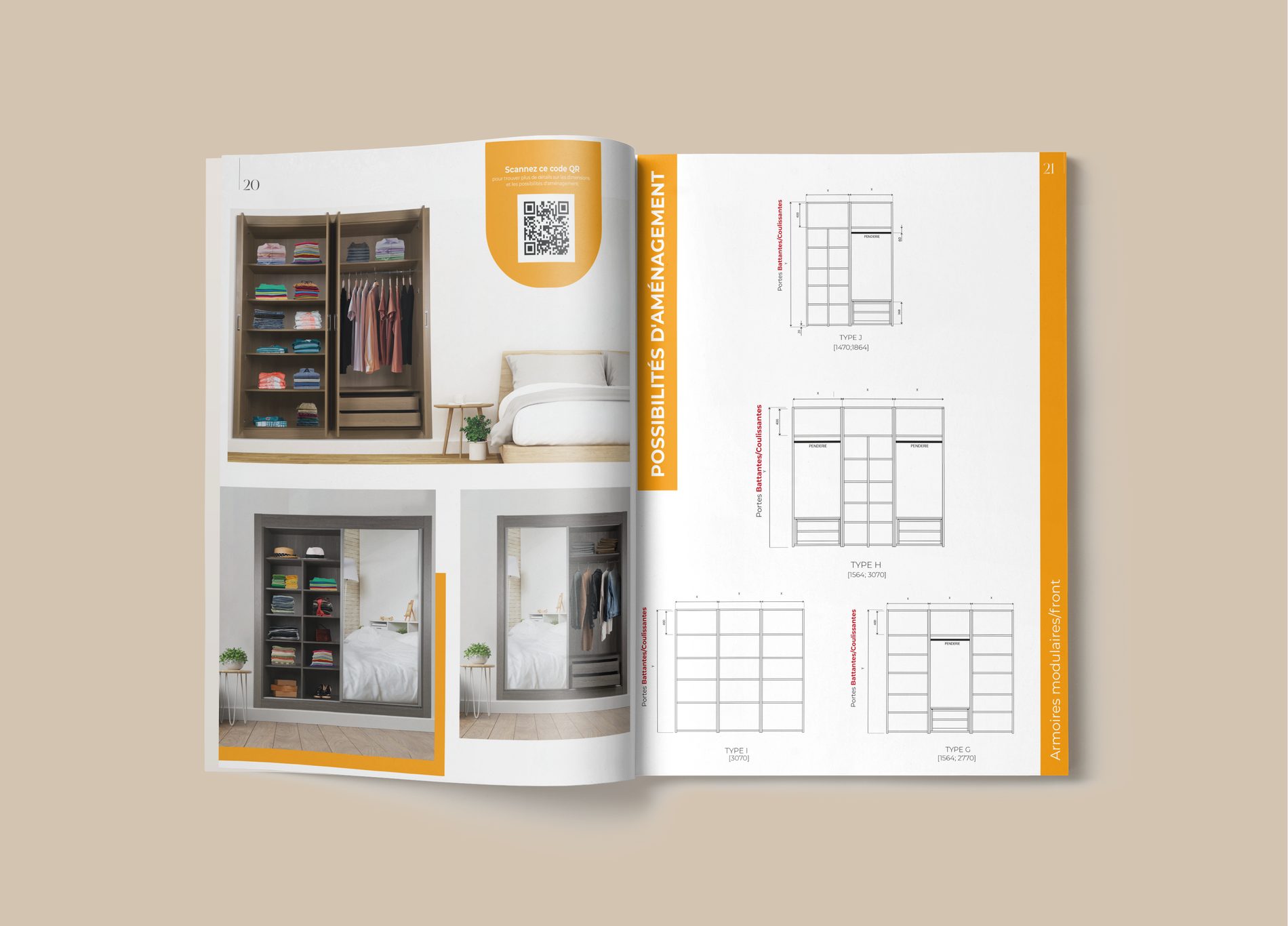
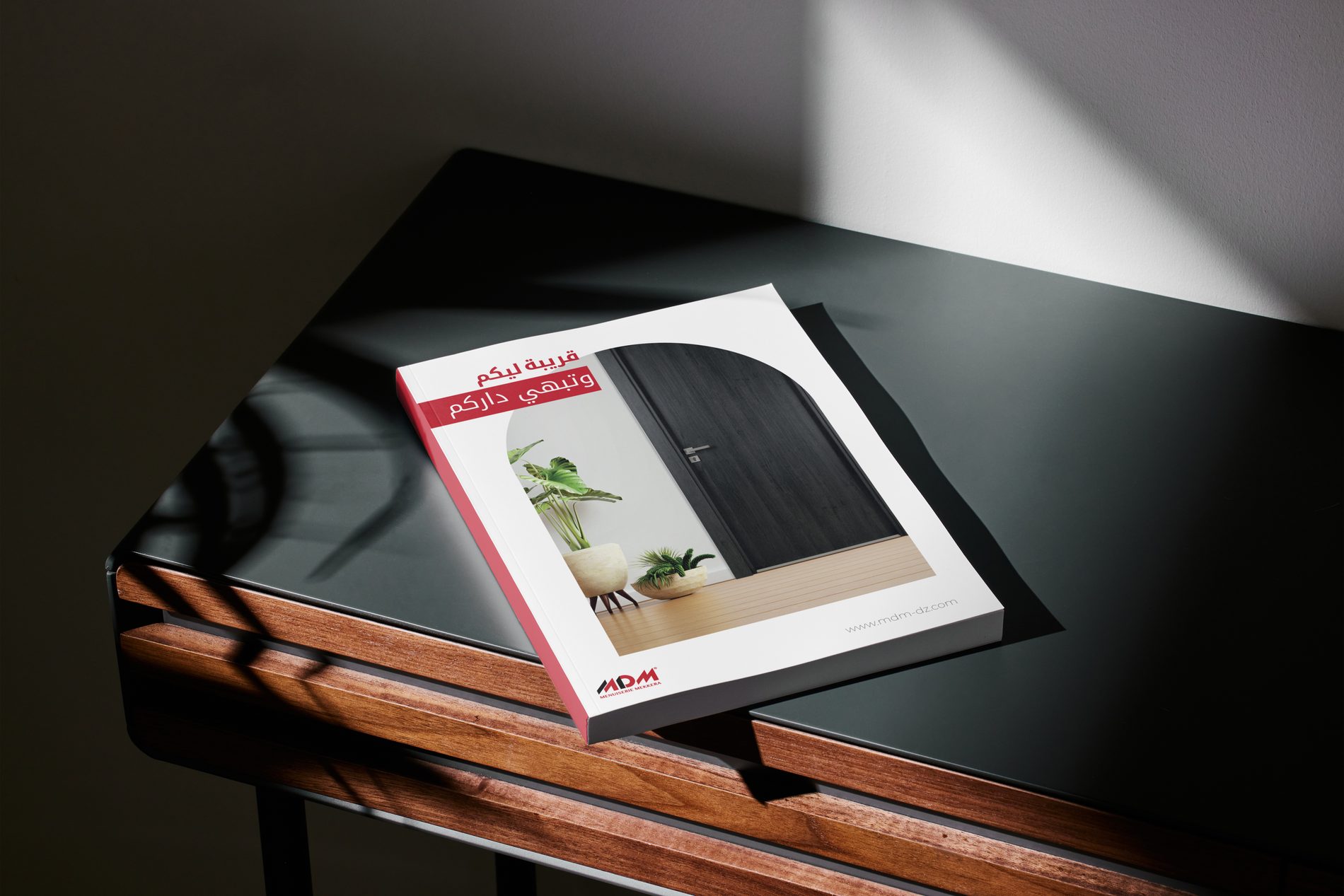
MDM Hasnaoui SPA makes doors, kitchens, wardrobes and wall coverings. The catalogue had to hold all four families in one book a buyer could read in order.
I took it from the running order to the press check.
Designer (me)
MDM Hasnaoui team
Printer
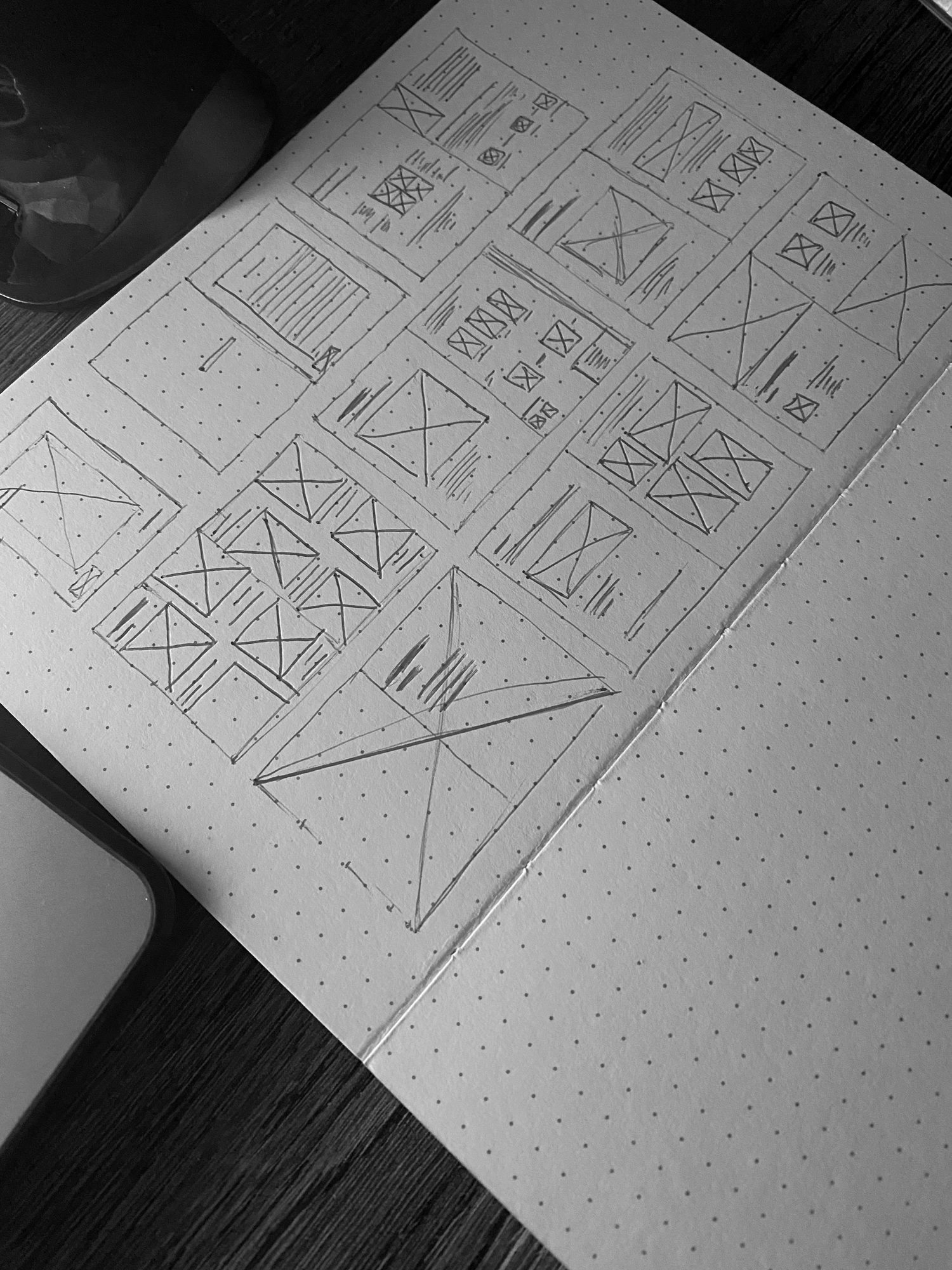
I drew the whole book out first — every category, every spread, in sequence — so the reading order was settled before any layout existed. In a catalogue that decision costs nothing on paper and everything once pages are built.
The descriptions and technical sheets came out of working sessions with the MDM team, so every family reads the same way and no spread promises something the workshop cannot deliver.
Every product image was cut out and corrected at 300 dpi, then laid out in InDesign with bleed and safety margins from the printer's specification.
The grid stays the same across 4 families, which is what lets a buyer compare a door to a wardrobe without relearning the page.
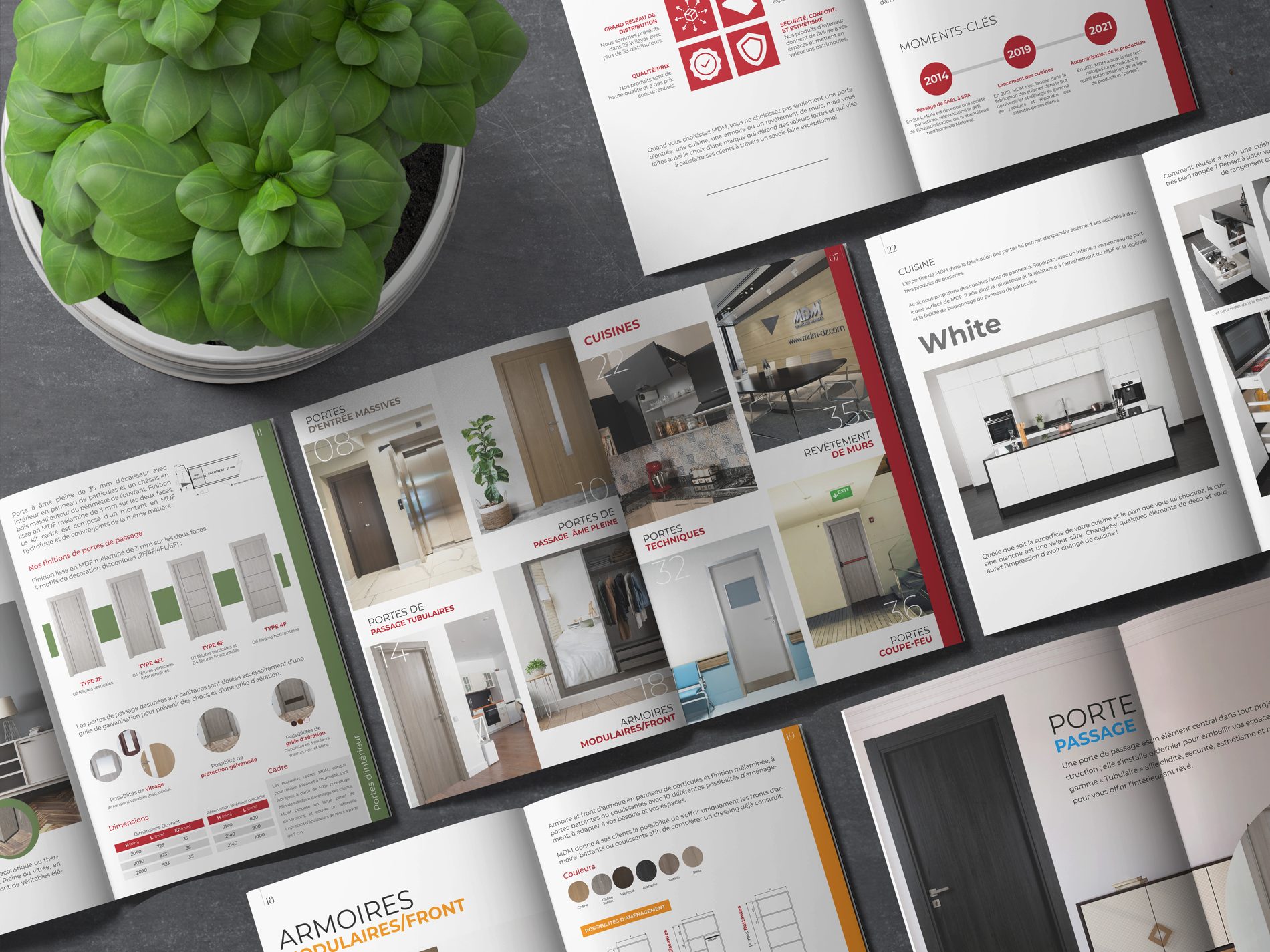
I stayed on the post-print check with the client's team, which is where the last corrections were caught — colour, trim, and the product sheets that had to be exact.
–
The scope was the design problem. Two hundred products only become a book if the order is decided first.
–
Patience is a skill here. Most of the quality came from iterations nobody sees.